SahAI 2026: A Dialogue on
Access & Impact
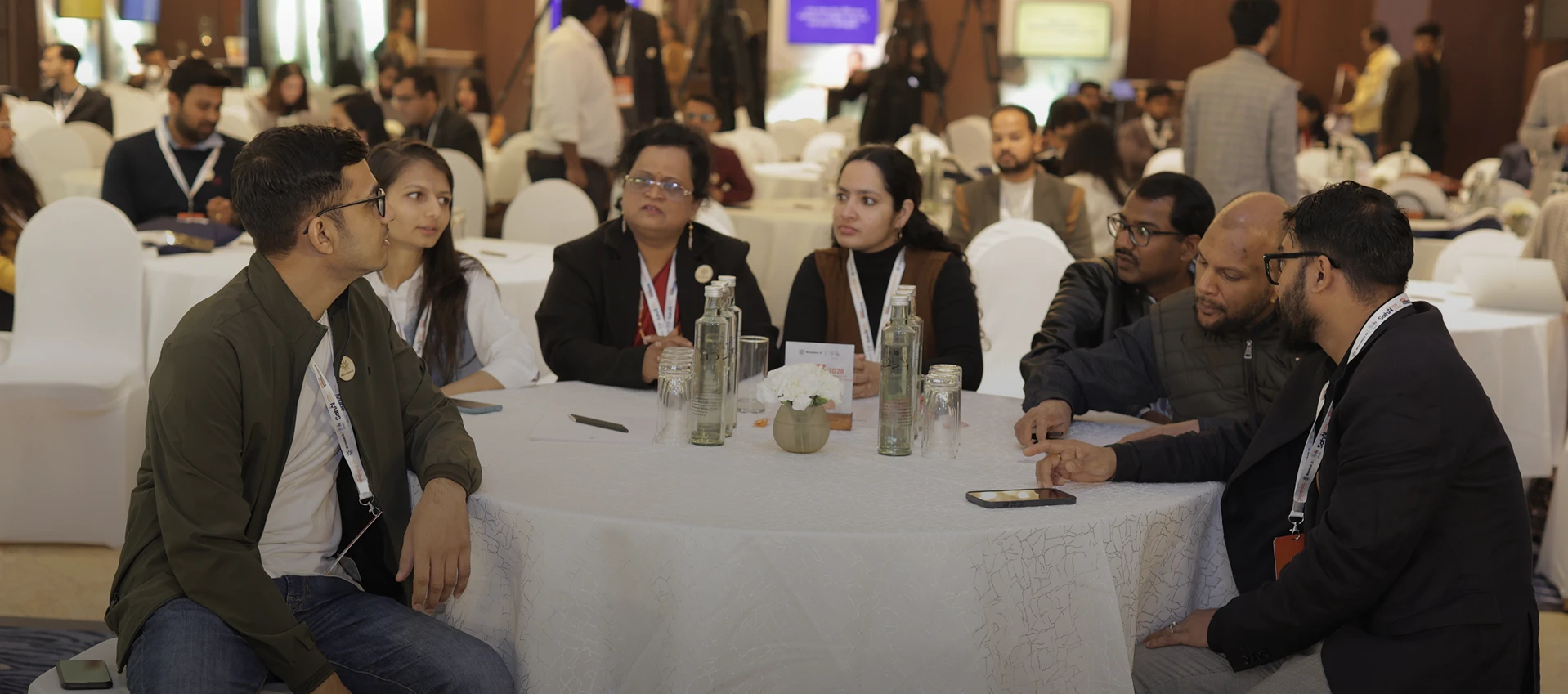
A symposium on health, education, and agriculture. On January 21, 2026, Wadhwani AI hosted SahAI 2026 an official pre-summit event of the India-AI Impact Summit 2026, at the Shangri-La, New Delhi. One day, one question: what does it take for AI to work inside India's public systems?
AI is not the finish line.
It is a tool that has to earn trust, fit into the systems people already use, and speak their language.
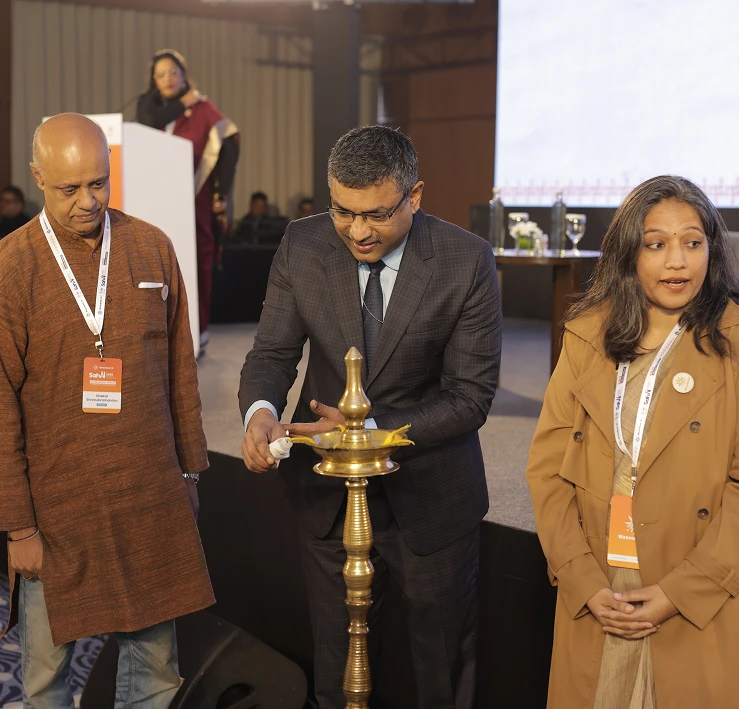
Opening the day, Shekar Sivasubramanian, Head, Wadhwani AI, described AI as an augmentative capability rooted in seva bhaav: service with responsibility. Shri S. Krishnan, Secretary, MeitY, called for AI that improves availability, accessibility, affordability and quality.
Trust comes first.
Validation, accountability and real-world usability matter more than novelty.
Build for the
last mile.
AI has to work across India’s languages, and for frontline workers, teachers and farmers.
Fund the
long game.
Multi-year partnerships build lasting capacity. One-off projects don’t.
Three keynotes
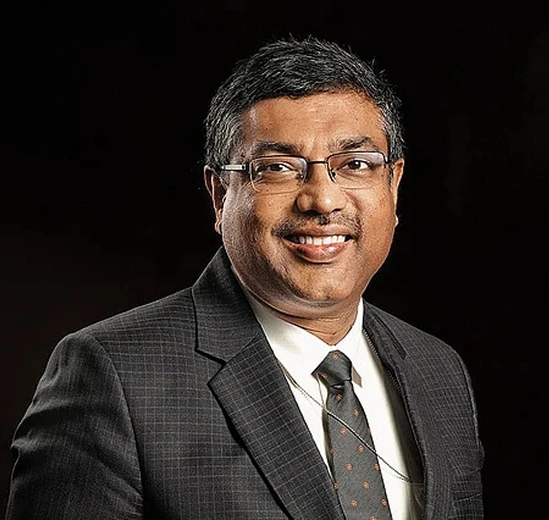
Shri S. Krishnan
Secretary, MeitY
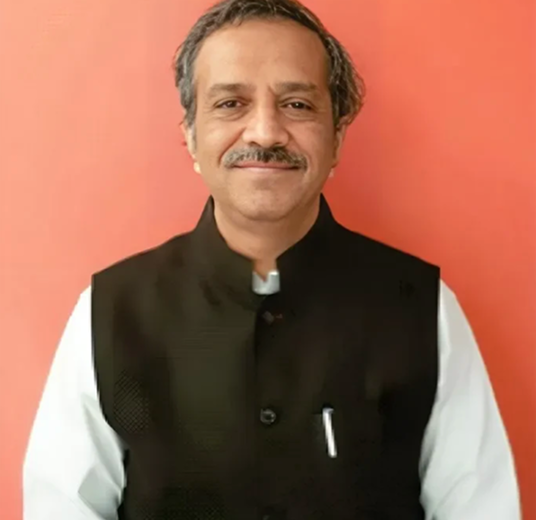
Shri Madhukar Kumar Bhagat
Joint Secretary (e-Health), MoHFW
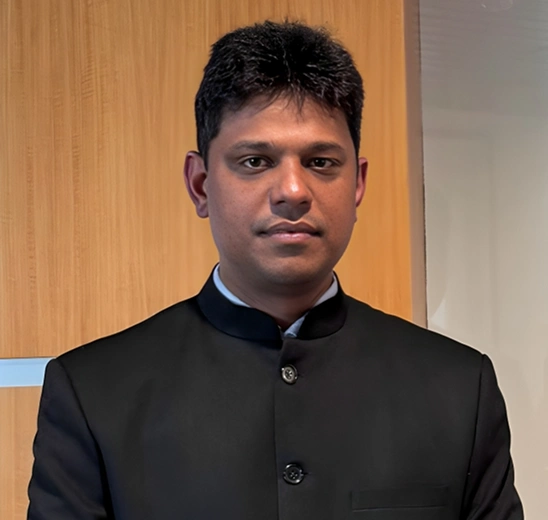
Shri Mohammed Y. Safirulla K.
Director, IndiaAI Mission, MeitY
Four Panels

Democratizing AI for Social Good in Public Health
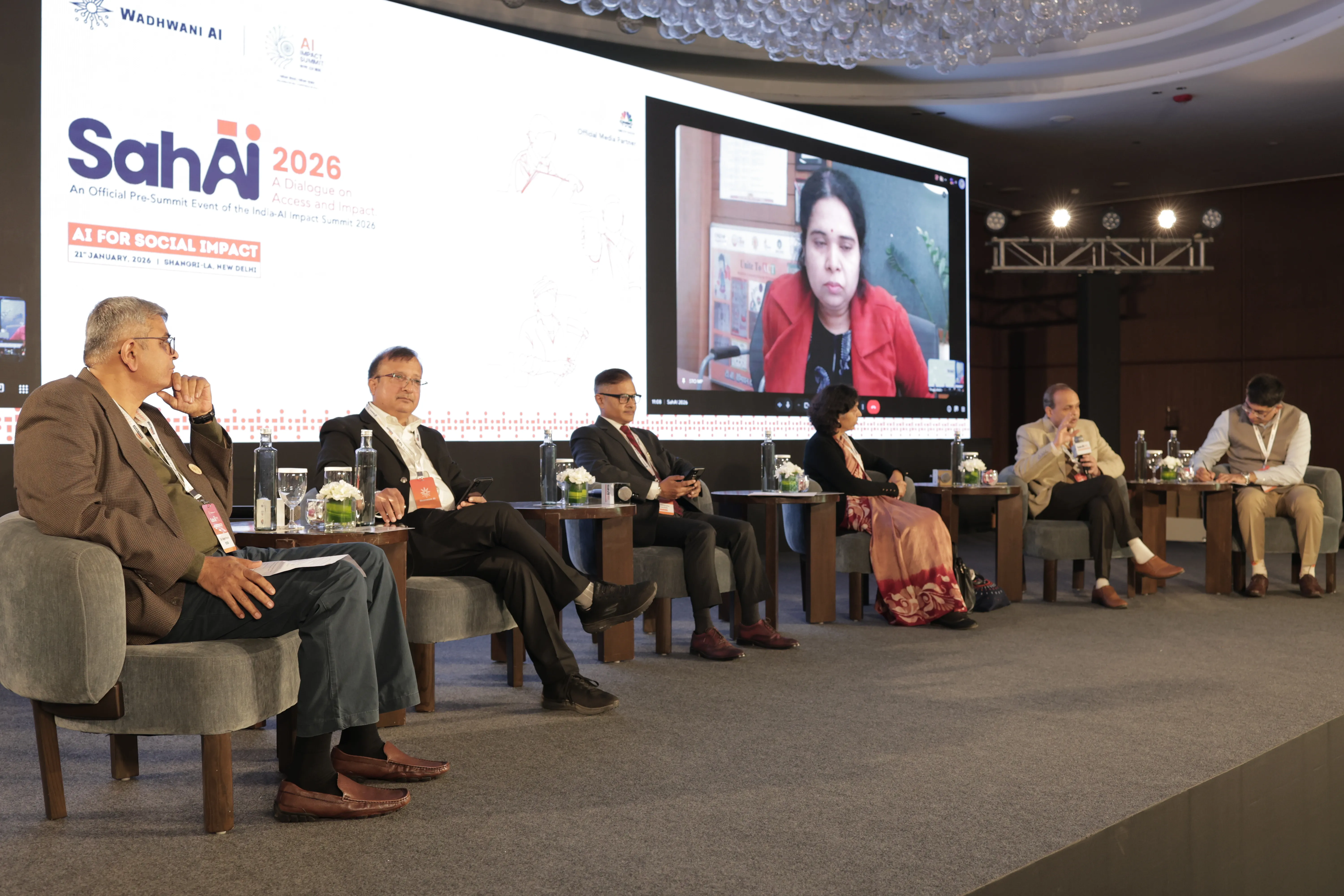
From passive to active: how data is changing TB care in India.
Health leaders shared where AI is already at work, from mobile TB screening vans in Madhya Pradesh to surveillance that shortens outbreak response times. The common thread was trust. AI works when it fits into tools health workers already use, like ABHA and eSanjeevani.
Dr. Smriti Singh (NHM Madhya Pradesh), Dr. Raghuram Rao (MoHFW), Dr. Himanshu Chauhan (NCDC), Shashi Mansotra (C-DAC Mohali), Dr. Radhika Tandon (AIIMS New Delhi), Suhel Bidani (Gates Foundation)
AI Driving Inclusive Growth for Farmers
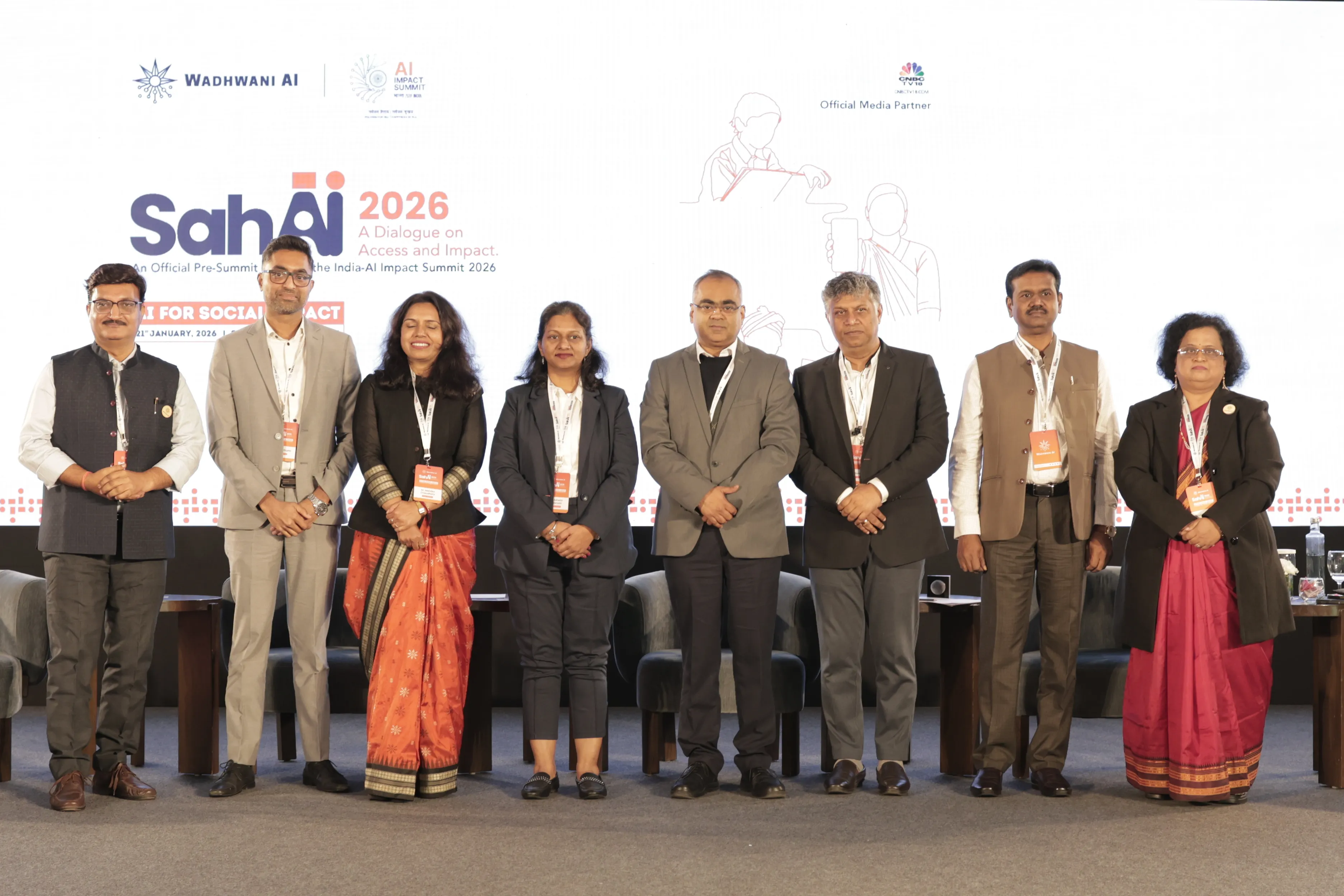
AI as a shield for the decisions farmers make every day.
From precision advisories that improve yield and cut input costs to market intelligence that improves price discovery, speakers showed what on-farm AI looks like today. Tools built with farmers, and adopted step by step, are the ones that last. Several speakers also pointed to women's participation and to opening up research data.
Dr. Malvika Chaudhary (CABI), Dr. Ashwini Gajarushi (IIT Bombay), Paritosh Anand (Wadhwani Center for Government Digital Transformation), Sumit Roy (Solidaridad Network), Dr. Kuppusamy Rameash (Central Institute of Cotton Research), Nishant Gupta (Walmart.org)
AI for Foundational, Equitable, and Personalized Learning
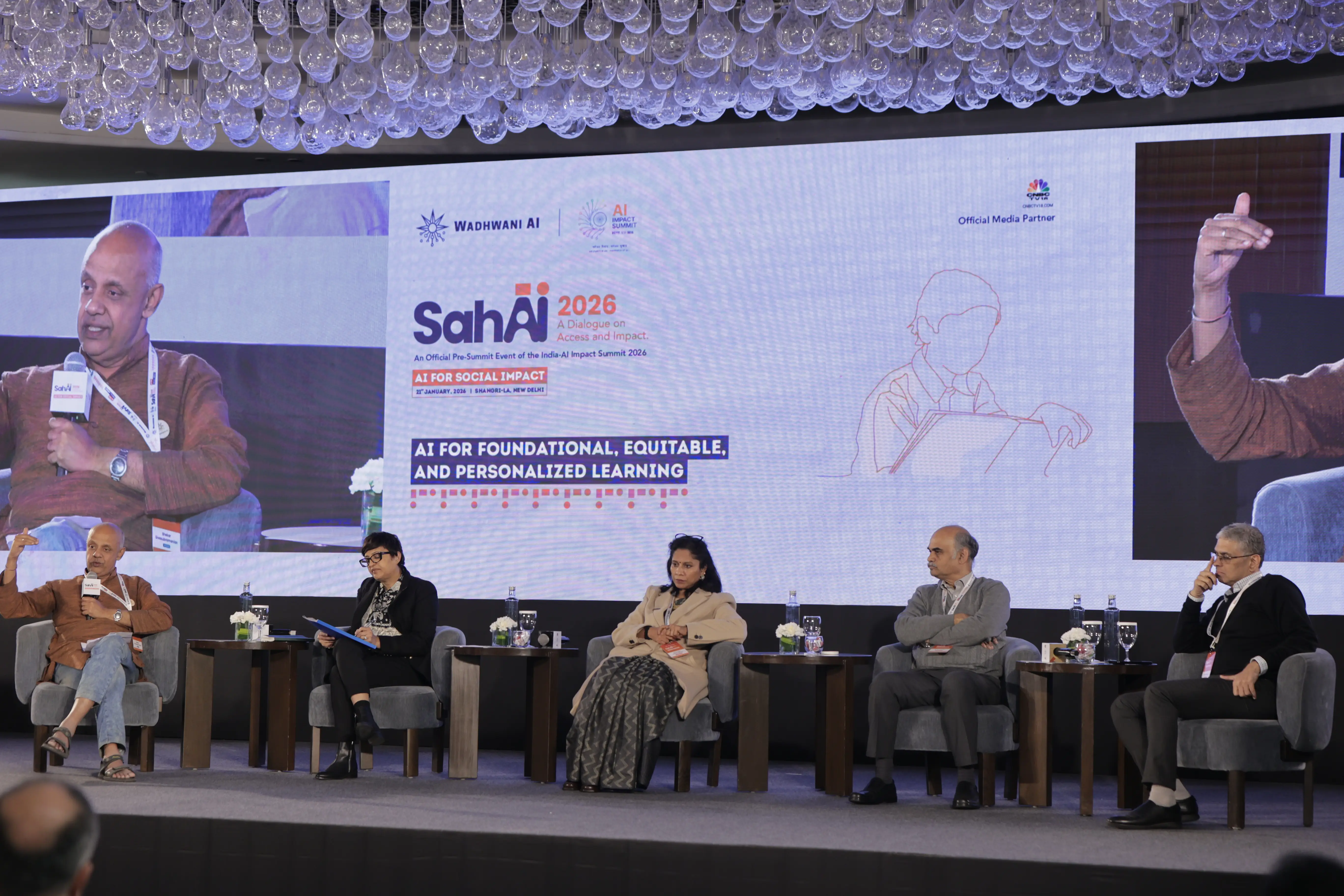
Design for the classroom, not just the lab.
Panelists argued that inclusion has to be built in from the start, including for India's linguistic diversity. They covered child-centric, rights-based and safe-by-design AI, and the importance of foundational literacy and numeracy. Equity at scale also depends on supporting teachers and changing the system around them.
Dr. Saadhna Pandey (UNICEF India), Sowmya Velayudham (KPMG), Dr. S. Neethi (IIT Madras), Ravi Trivedi (Piramal Foundation)
Evolving CSR: Data and AI
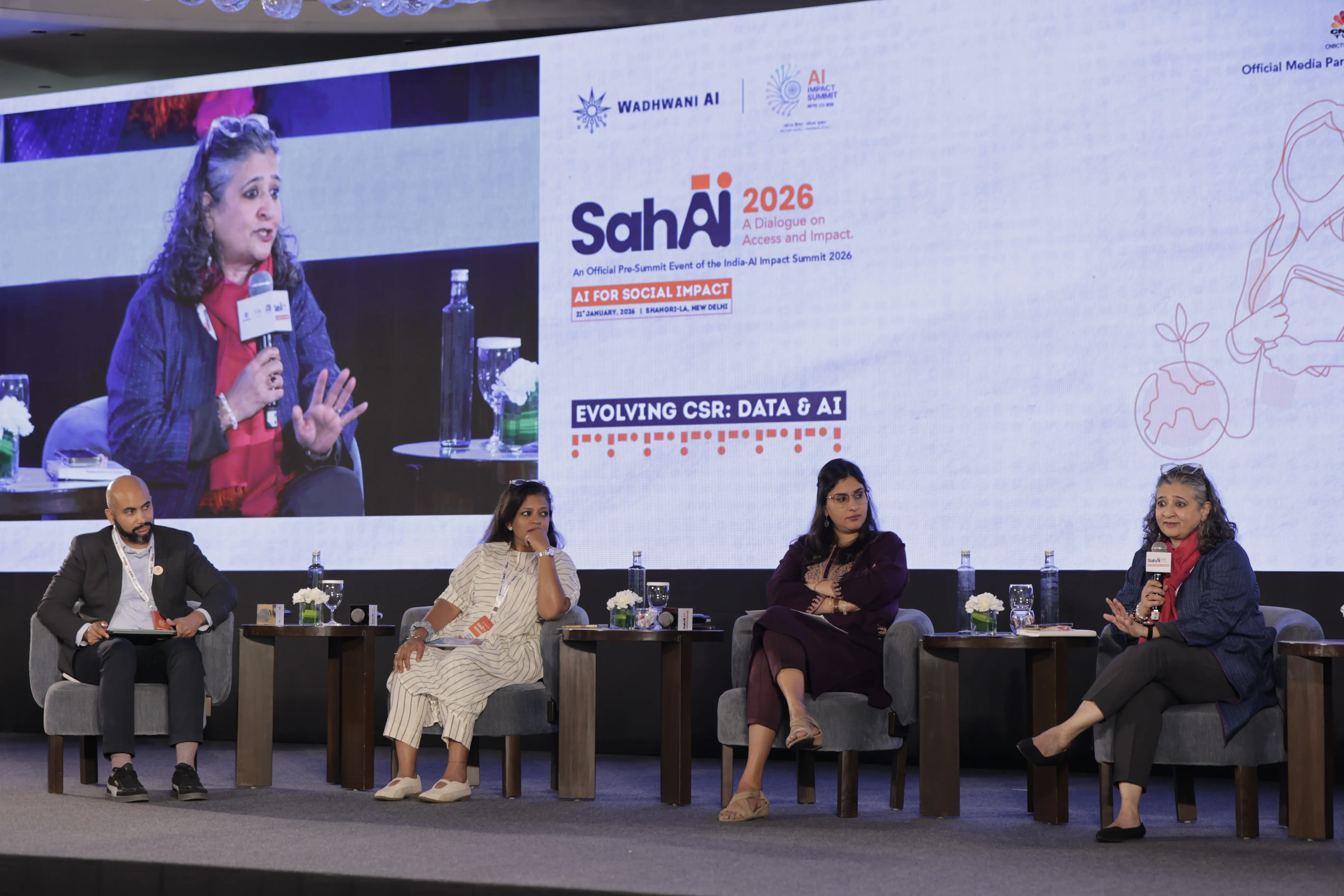
From giving to partnering.
The panel looked at how CSR is shifting from traditional philanthropy to a strategic, data-driven approach, where AI helps social good scale. The emphasis was on trust and long-term, cross-sector partnerships.
Bhavna Mathur (LinkedIn), Manju Dhasmana (Microsoft Philanthropies India), Pranit Tulsi (Google.org), Lavanya Jayaram (AVPN)
Our speakers
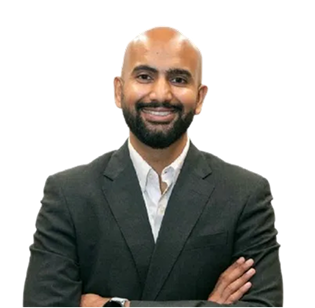
Aditya Nayan
Moderator
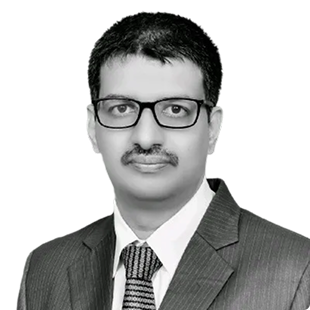
Allahbaksh Asadullah
AVP & Center Head - Infosys
Hubballi Development Center
Infosys
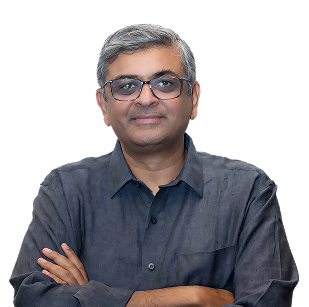
Alpan Raval
Chief Scientist AI/ML,
Wadhwani AI
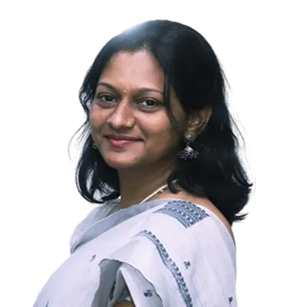
Dr Ashwini G
Engineering Manager
Electronic System Department,
TIH Foundation for IoT & IoE
Under IIT Mumbai
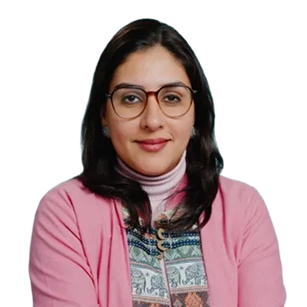
Bhawana Mathur
Sr. Program Manager,
LinkedIn
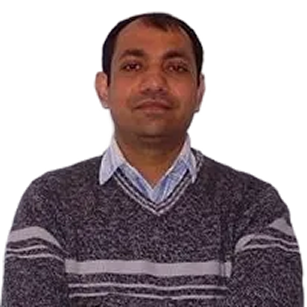
Dr. G. T. Behere
Head, Division of Crop Protection,
ICAR-Central Institute for Cotton
Research (CICR), Nagpur
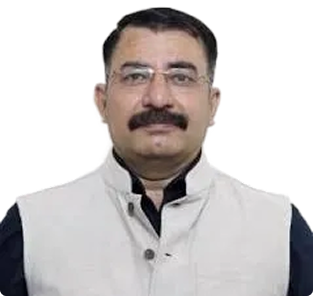
Dr. Himanshu Chauhan
National Centre for Disease Control
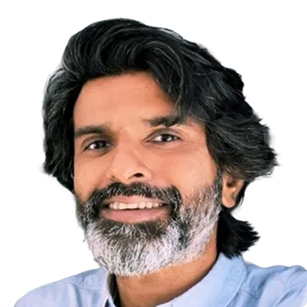
Jayadev Gopalakrishnan
Director Head Education,
Adobe
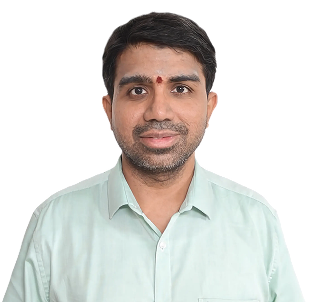
Prof. Kartik Raman
IIT Madras
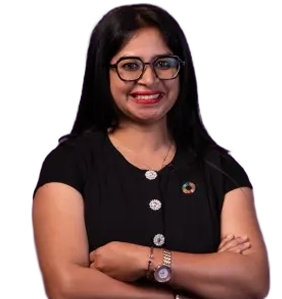
Ms. Kiran Mayi Botlaguduru
Sr. Manager, India CSR
Salesforce
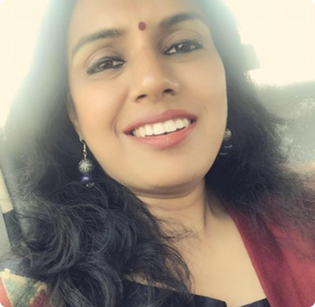
Ms. Malvika Chaudhary
Global Team Leader - Digital Tool
Promotion,
CABI
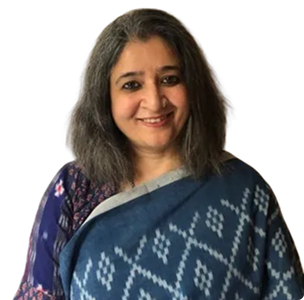
Manju Dhasmana
Senior Director, CSR, Microsoft
India,
Microsoft Corporation India Private
Limited
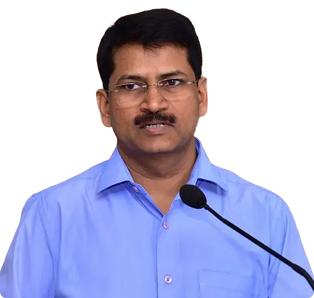
Dr. Meherda
Additional Secretary,
Ministry of Agriculture and Farmers
Welfare
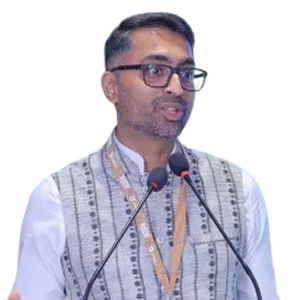
Mr. Nishant Gupta
Social & Environmental Impact
Advisor,
Walmart India
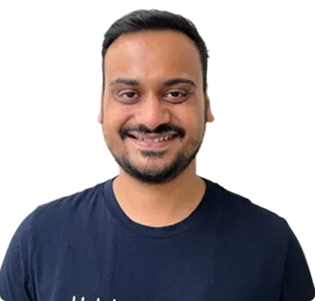
Pranit Tulsi
Head CSR,
Google
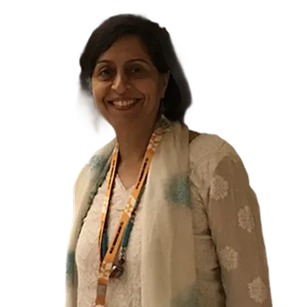
Dr. Radhika Tandon
Prof, Opthalmology,
AIIMS New Delhi
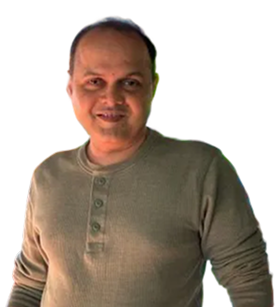
Dr. Raghuram Rao
Central TB Division,
Ministry of Health and Family Welfare
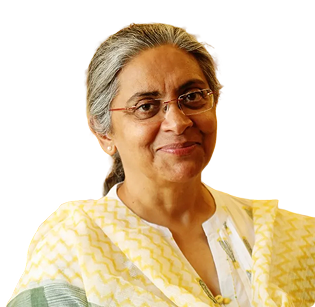
Dr. Rukmini Banerji
Pratham Education Foundation
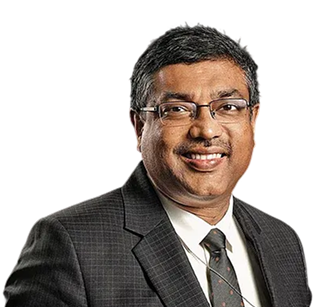
Shri S. Krishnan
Secretary,
Ministry of Electronics and
Information Technology
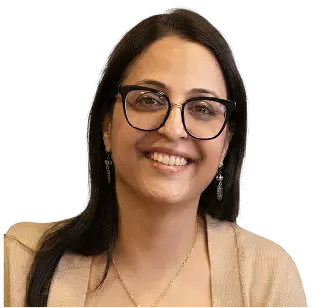
Dr. Saadhna Pandey
UNICEF
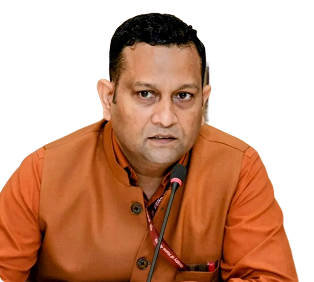
Shri Samuel Praveen Kumar
Director (Marketing & Corporate
Planning),
Central Warehousing Corporation,
Government of India
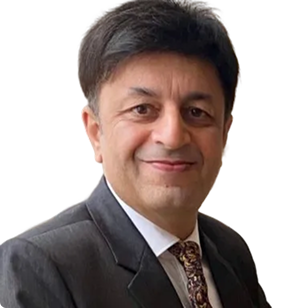
Dr. Sanjay Sood
eSanjeevani,
CDAC Mohali
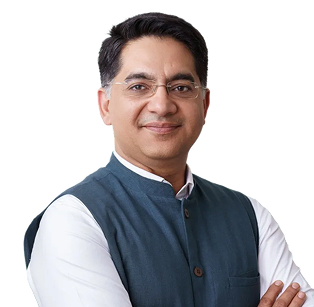
Suhel Bidani
Gates Foundation
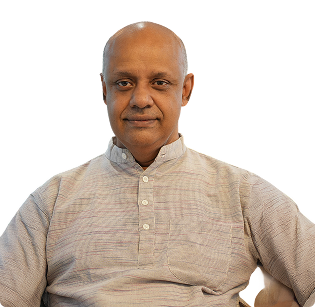
Shekar Sivasubramanian
Head,
Wadhwani AI
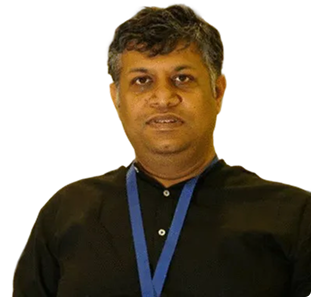
Mr. Sumit Roy
Assistant General Manager, Palm Oil
Programme,
Solidaridad Network
Agenda
Event Highlights