With nearly one-fourth of the world’s tuberculosis (TB) cases occurring in India, TB remains a key public health priority. The disease is preventable and curable, and outcomes improve substantially when identified early.
The Challenge
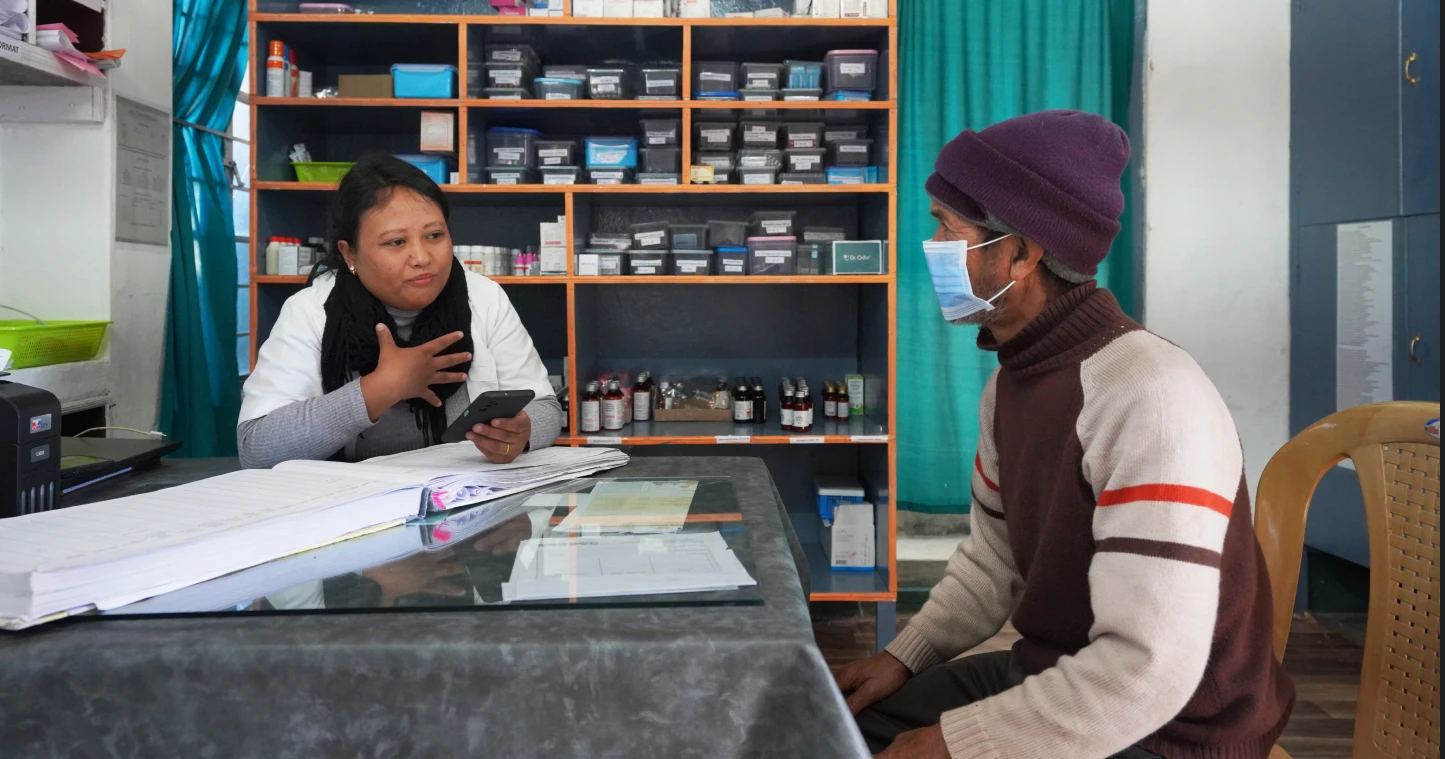
Since traditional screening relies mainly on visible symptoms, asymptomatic or minimally symptomatic individuals are often missed, a critical gap, since undiagnosed individuals can unknowingly transmit the disease to 10–15 people each year.
Source: Global Tuberculosis Report 2025
Our AI Solution
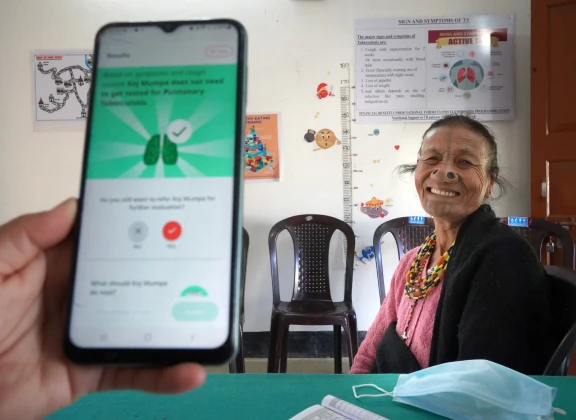
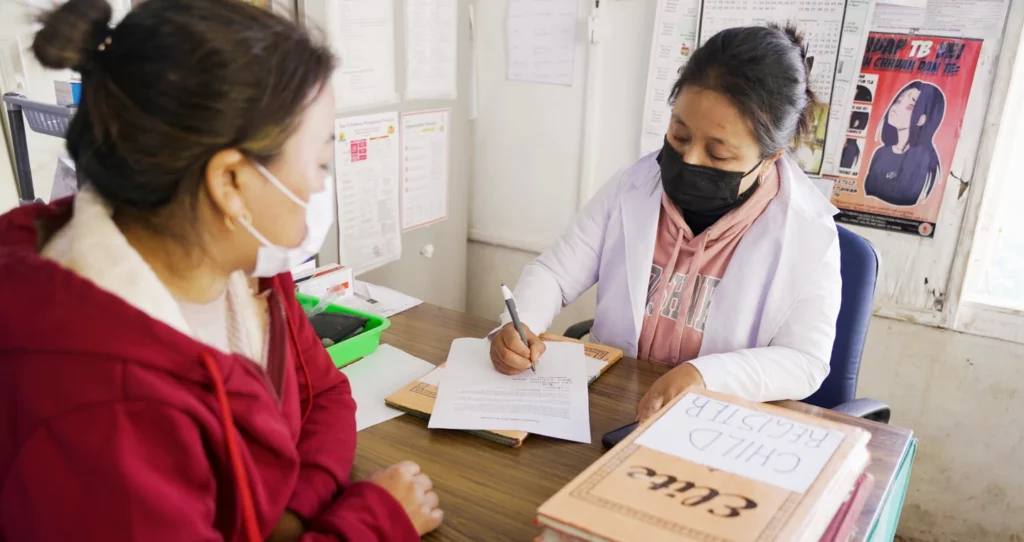
Cough Against TB (CATB) is an AI-powered, non-invasive screening application that analyzes cough sounds and symptoms to identify individuals with presumptive pulmonary TB, enabling early detection in both facility and community settings, even offline.
CATB works on low-end Android smartphones and demonstrates how AI-powered screening, designed around field realities, can strengthen TB detection within public health systems to the last mile.
By identifying presumptive TB cases—including 14–16% of individuals who may not present with typical symptoms—it extends screening beyond conventional symptom-based approaches, supporting earlier detection and stronger linkage to confirmatory diagnosis.
With 90% sensitivity, 69% specificity, and an AUROC of 0.887, CATB demonstrates strong screening performance across community and facility settings.
CATB contributes to India’s efforts under the Pradhan Mantri TB Mukt Bharat Abhiyan and SDG 3, including the goal of ending epidemics and advancing universal health coverage.
How it Works
 01
App Setup
The healthcare worker installs the app and begins the screening procedure with consent from the individual.
App Setup
The healthcare worker installs the app and begins the screening procedure with consent from the individual.
 02
Individual Registration
A digital record is created for screening and follow-up (age, gender, and other details).
Individual Registration
A digital record is created for screening and follow-up (age, gender, and other details).
 03
Symptom Assessment and Cough Recordings
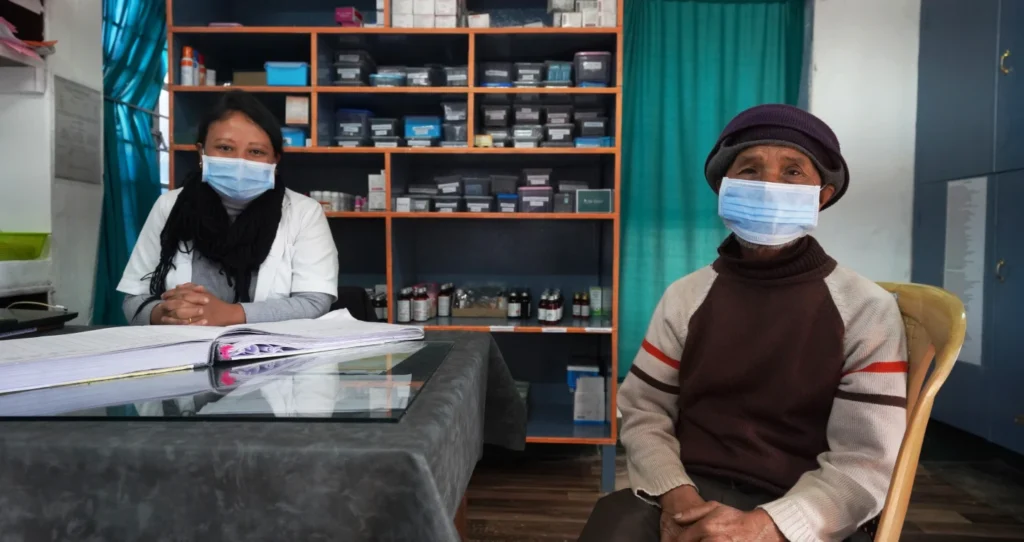
Health workers record TB-related symptoms and capture three cough recordings following all NTEP infection and prevention control measures.
Symptom Assessment and Cough Recordings
Health workers record TB-related symptoms and capture three cough recordings following all NTEP infection and prevention control measures.
 04
CATB Analyzes Cough Sounds
An AI model trained on India-specific data analyzes cough sounds alongside symptoms.
CATB Analyzes Cough Sounds
An AI model trained on India-specific data analyzes cough sounds alongside symptoms.
 05
Instant Risk Flagging and Referral
The app identifies presumptive or non-presumptive pulmonary TB; presumptive cases are referred for further diagnostic testing.
Instant Risk Flagging and Referral
The app identifies presumptive or non-presumptive pulmonary TB; presumptive cases are referred for further diagnostic testing.
 06
Ni-kshay ID Generation and Update
A Ni-kshay ID is generated or updated for referred cases to ensure continuity within the national TB program.
Ni-kshay ID Generation and Update
A Ni-kshay ID is generated or updated for referred cases to ensure continuity within the national TB program.
Where It's Deployed
Operational since March 2023, developed with India’s Central TB Division, Ministry of Health and Family Welfare.
21
States
Attribution and Impact
- Attribution is established through increased detection of asymptomatic TB cases and higher diagnostic yield enabled by CATB’s AI-powered screening.
- Strengthened Early Case Detection: The application has flagged 13 percent of those screened as presumptive TB cases for confirmatory testing, nearly doubling detection compared with traditional symptom-based screening.
- Reduced Transmission Risk: 12 to 16 percent of diagnosed patients identified through CATB were asymptomatic, individuals who would likely have been missed by conventional screening. Early identification of these individuals significantly reduced transmission risk, as each untreated individual can infect 10–15 others.
- Earlier Diagnosis and Treatment: Field observations indicate that CATB enables earlier diagnosis and treatment initiation preventing complications associated with delayed care.
- Economic Impact: Based on published estimates from India, early identification and treatment of one drug-susceptible TB case could generate US$ 5-15K in potential economic savings by reducing onward transmission and disease progression.

There’s a simple idea in mathematics: big outcomes are built from small, consistent units. A hundred is just ones, added together. A lakh is just...
Our Other Solutions
Partners

Looking Ahead
By broadening screening beyond symptoms and equipping health workers with actionable insights, India is building a more responsive and inclusive TB care ecosystem. Scaling CATB through continued collaboration with NTEP and state health missions will enable earlier detection, stronger surveillance, and faster progress toward a TB-free India.